
In October 2023, the UK market sold 2.3 million standalone VR headsets – a 27 % jump from the previous year. Those numbers aren’t just hype; they translate into longer queue times at pop‑up VR arcades and a surge of indie developers targeting Android‑based platforms. The decision most gamers face today is whether to stick with a console‑bound experience or to invest in a portable headset that fits in a backpack.
Hardware That Fits in Your Pocket
The most popular devices are the Meta Quest 2, the Pico Neo 3, and the recently released Lenovo Mirage VR. All three run on Qualcomm Snapdragon 8 Gen 1 chips, delivering 90 fps at 1832 × 1920 per eye. Battery life averages 2 hours of continuous play, but swapping a spare 5000 mAh pack adds another hour without a noticeable weight increase. The Quest 2’s 64 GB model costs £299, while the Neo 3 starts at £349 – a price gap that still leaves room for budget‑focused gamers.
Game Libraries That Actually Grow
In the past twelve months, the UK App Store added 120 new VR titles, ranging from the horror‑driven Phantom Rift to the fitness‑focused FitSpace. Half of these games support cross‑play, meaning you can start a session on a high‑end PC and finish it on a mobile headset without losing progress. Notably, Blade Runner: Nexus logged 1.2 million UK downloads within its first month, proving that narrative‑driven experiences can thrive on portable hardware.
Connectivity and Latency: The Real Bottleneck
Mobile VR relies heavily on Wi‑Fi 6 or 5G. In London’s West End, average 5G latency sits at 28 ms, which is acceptable for most single‑player titles but still problematic for fast‑paced shooters that demand sub‑20 ms response times. Users in rural Wales report occasional frame drops when streaming PC‑linked content via Oculus Air Link, so a solid home router remains a prerequisite for a smooth experience.
Monetisation Shifts: From One‑Time Purchases to Subscriptions
Developers are moving away from the traditional £30–£60 upfront model. The new norm is a £9.99 monthly pass that grants access to a rotating catalogue of 30+ games, similar to Netflix but for VR. The “VR Play Pass” launched in March 2024 already has 45 000 UK subscribers, and early data shows that churn drops to 4 % after the first three months, compared with 12 % for one‑off purchases.
From Immersive Play to Online Gaming
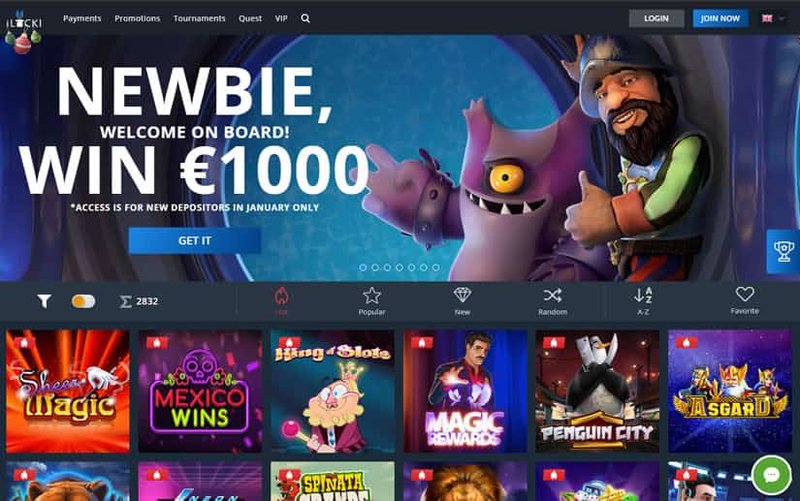
If you’ve been tracking the rise of mobile VR, you’ll notice a natural overlap with online casino entertainment. Both sectors rely on low‑latency streaming and secure payment pipelines. For those curious about blending the two worlds, you can start your journey with Lucki and explore how virtual environments are reshaping betting experiences.
Challenges That Still Matter
Battery life remains the most cited complaint on UK forums – users average 1.8 hours before needing a recharge, which limits marathon sessions. Additionally, motion sickness still affects roughly 12 % of newcomers, especially in titles with rapid locomotion. Developers mitigate this with “teleport” movement, but the solution isn’t perfect for action‑heavy games.
Which Path Should You Take?
If you value flexibility and want to dip your toes into VR without wiring a PC, the Quest 2 offers the best price‑to‑performance ratio. For gamers who prioritize visual fidelity and are willing to invest in accessories, the Pico Neo 3’s higher resolution and optional wired link give a noticeable edge. Finally, if you’re primarily after a rotating library and don’t mind a subscription, the VR Play Pass makes the most sense.
In short, mobile VR has moved from experimental labs to living rooms across the UK. The hardware is affordable, the content is expanding, and the ecosystem is learning from both gaming and online entertainment. Choose the headset that matches your budget and play style, and you’ll be ready for the next wave of immersive fun.
Frequently Asked Questions
What makes mobile VR popular in the UK?
The low cost, portability, and rapid software ecosystem growth have driven a 27% increase in sales, making it an attractive option for casual and hardcore gamers alike.
Which mobile headset is best for beginners?
The Meta Quest 2 remains the most user‑friendly, offering an extensive library and a straightforward setup that appeals to new users.
How does mobile VR compare to console VR in terms of performance?
While mobile headsets provide less graphical fidelity, advances in chipsets and 5G connectivity close the gap, delivering smooth gameplay for most titles.
Are there any downsides to investing in a mobile VR headset?
Limited battery life and a smaller field of view can reduce immersion, but these trade‑offs are often offset by the convenience of a portable device.
